







Search Results for: Milk Foam Frothing Tutorial
A Detailed Guide to Milk Frothing Techniques and Principles for Latte Art: Illustrated Video Tutorial and Analysis of Two Methods
Making milk foam is a crucial step in latte art, and the quality of the milk foam directly determines whether the latte art will succeed. This article, through diagrams and a video tutorial, explains in detail the principles of latte art and the specific techniques for making milk foam. It covers how to choose the position of the steam wand, how to judge the timing for introducing air and texturing the milk, and how to use the temperature of the milk pitcher and the sound as auxiliary indicators. It also provides two practical workflows for making milk foam—steaming first and then texturing, and steaming and texturing at the same time. In addition, the article recommends practicing alternately with dish soap and milk to help coffee enthusiasts quickly master the skill of consistently producing high-quality milk foam. Whether you are a beginner or an enthusiast hoping to refine your skills, you will find practical guidance here. [more…]
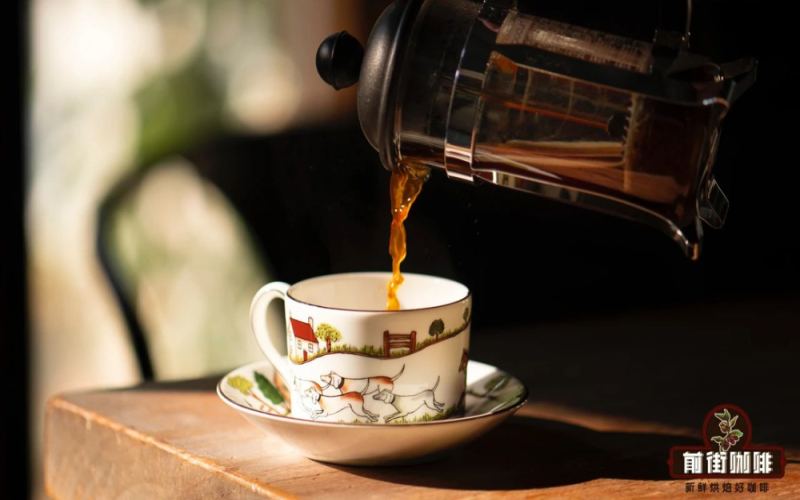
The Complete Guide to Milk Frothing with a French Press: A Full Tutorial from Hot Cappuccino to Iced Cappuccino
The French press is not just a great tool for brewing coffee and extracting tea—it can also easily create thick, creamy milk foam, making it a wonderful helper for making cappuccinos and lattes at home. In this article, Front Street Coffee will walk you through the origins of the cappuccino's name, the difference between dry and wet milk foam, and how to make a classic hot cappuccino using espresso, hot milk, and milk foam in the traditional proportions. In addition, we'll break down in detail the French press milk-foaming method and assembly steps for iced cappuccino, and explain why most coffee shops don't sell iced cappuccinos. At the end of the article, we've included a Front Street Coffee classic espresso blend recommendation, perfect for coffee lovers who want to recreate a professional taste at home. [more…]

Latte Art Tutorial: A Complete Guide to Milk Frothing Temperature and Pouring Techniques
Want to learn latte art but keep failing? Front Street Coffee explains in detail the core points of milk frothing and integrating to create patterns. From steam intake to texturing and heating, from integrating techniques to pouring postures, this article systematically sorts out common problems and solutions in latte art learning. Whether you are a beginner just starting out or an advanced player hitting a bottleneck, you can find practical advice here to make every cup of latte art consistently present beautiful patterns. [more…]

Full Process Tutorial for Italian Coffee Latte Art Heart Pattern: Detailed Explanation of Milk Foam Steaming, Blending Techniques, and Pitcher Holding Posture
Want to make café-level heart latte art at home, but it always turns into a blob the moment you pour? The key actually lies in three elements: milk foam texture, integration technique, and pitcher grip. Front Street Coffee has systematically put together everything from steam wand positioning and milk frothing temperature control, to integration flow practice, latte art pitcher grip, and then to efficient daily practice methods, to help you conquer the heart pattern step by step. There is no mysticism in this article—it is all hands-on details you can practice, suitable for beginner coffee enthusiasts to follow along. [more…]

Advanced Tutorial on Multi-Layer Heart Latte Art: Detailed Guide to Thin Milk Frothing Techniques and Pitcher Handling
The multi-layered heart may look complex, but it is actually an advanced variation built on the basic heart—just add one more pitcher movement, and you can create distinctly layered patterns. However, it places higher demands on milk foam thickness, the amount of milk used for integration, and the skill level of your technique. In this article, Front Street Coffee breaks down the entire process of making a multi-layered heart in detail: from precise control of steaming milk foam to 6/10 full, to a comparative recommendation of two pitcher-holding postures, and then to the flow rate and cup-return rhythm in the actual pouring, helping you transition smoothly from the basic heart to the multi-layered heart and laying a solid foundation for subsequent complex patterns such as the wheat ear and swan. [more…]
A Beginner's Guide to Latte Art: Key Points for Making Milk Foam and a Detailed Step-by-Step Guide to Heart and Leaf Patterns
For friends who are just getting into latte art, mastering milk frothing and pouring techniques are the two most critical fundamental skills. Starting from the recommendations of Front Street Coffee, this article breaks down in detail the complete process required to make a heart-shaped cappuccino—from espresso extraction, milk selection and frothing temperature control, to the changes in pitcher height, angle and flow rate during staged pouring, all are explained one by one. At the same time, the article also provides a comparative analysis of common variables such as steam wand types and steam volume, helping beginners identify problems more quickly in practice. Whether you want to pour a neat heart or a leaf pattern, this tutorial can provide a clear reference path. [more…]
Fancy Coffee Making Tutorial | How to make a latte with latte art just like at a coffee shop at home? How to froth latte milk foam well? What are the key points for frothing milk foam for latte art in a latte?
Walking into a café, many people choose a fancy coffee based on espresso, such as a latte, cappuccino, or americano. Each coffee has its own unique flavor, like the perfect blend of coffee and milk in a latte, the thick milk foam of a cappuccino, and the light and smooth taste of a flat white, all [more…]

How to Make an Iced Caramel Macchiato? A Complete Tutorial from Espresso Extraction to Caramel Latte Art
The name caramel macchiato comes from the Italian word "macchiato," meaning "marked," which gives this drink the romantic connotation of a "sweet mark." In hot weather, an iced caramel macchiato brings both a refreshing coolness and the sweet, silky texture that people crave. The basic method is to pour espresso into cold milk, cover it with a layer of densely frothed milk foam, and finally drizzle caramel sauce on top and draw a pattern with a latte art needle. This article uses Front Street Coffee's classic espresso blend as an example to explain in detail the complete steps from extracting espresso and frothing milk to assembling the drink, including ingredient selection, parameter settings, and tips for drawing patterns, helping coffee lovers easily recreate a beautiful and flavorful iced caramel macchiato at home. [more…]

Latte Coffee Making Tutorial: A Detailed Guide from Coffee Bean Selection to Milk Frothing and Milk Ratio
Latte is the coffee drink most familiar to many people in their daily lives, but making a delicious latte requires attention to every step—from choosing the roast level of the coffee beans, to the extraction parameters of the espresso, to the techniques of steaming milk and pouring latte art. This article, drawing on the practices of Front Street Coffee, explains in detail the historical origins of latte, the types of coffee beans suitable for making lattes, the golden ratio of espresso to milk, and the staged method of steaming milk foam. It also introduces the flavor performance of Front Street Coffee's Sunflower Warm Sun blend in a latte, helping coffee enthusiasts, on the basis of understanding the principles, gradually master the key points for making a smooth and rich latte. [more…]
Coffee Latte Art Beginner Tutorial: Milk Frothing, Pouring Techniques, and Step-by-Step Guide to Heart, Tulip, and Rosetta Patterns
Many people who are just getting into coffee think latte art doesn't look that hard—isn't it just casually pouring out a heart or a tulip? But once they actually try it, they discover that the milk just pours out in blobs, and they can't even make the most basic heart shape. In fact, latte art isn't as mysterious as it seems. The key lies in mastering a few core steps: steaming a pitcher of milk foam with moderate flow, properly integrating the base, holding the pitcher and cup with the correct gestures, and then practicing repeatedly. This article will break down everything step by step, from positioning the steam wand, controlling milk foam temperature, practicing the integration pour, to how to hold the latte art pitcher, and will also include the key operating points for the layered heart, tulip, and rosetta patterns, helping coffee enthusiasts systematically get started with latte art techniques. [more…]
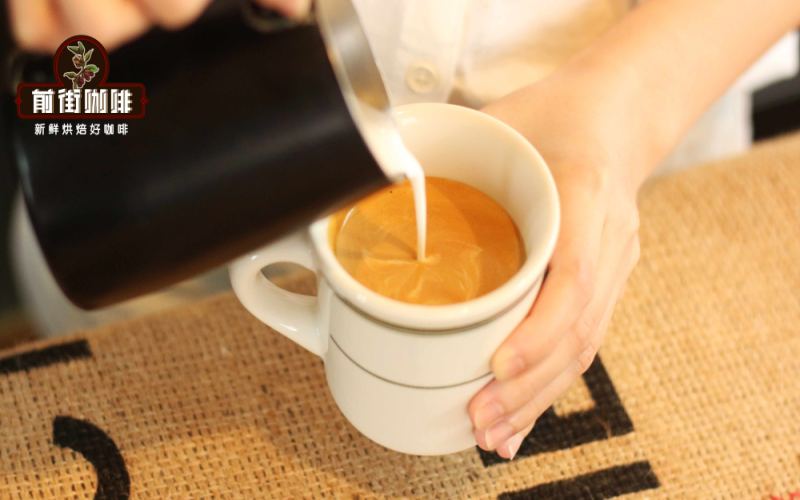
Practical Guide to Heart-Shaped Latte Art: A Complete Tutorial from Bean Selection to Finishing Techniques
Many people see heart-shaped latte art in coffee shops and think it looks easy to do, but once they actually try it, they discover there is quite a bit of technique involved. To make beautiful latte art, at least three prerequisites must be met: freshly roasted espresso beans, fresh milk kept refrigerated at low temperature, and an espresso machine with a pressure-boosting function. This article starts with the selection of Front Street Coffee beans and breaks down the entire process of heart-shaped latte art in detail, including extraction parameters, milk frothing methods, control of the amount used for incorporation, selection of the pour point, and common mistakes made during the finishing stage, helping coffee enthusiasts and novice baristas master the technique of consistently producing latte art step by step. [more…]

How to Make an Espresso Latte? A Complete Tutorial from Espresso Extraction to Milk Frothing, with Analysis of Iced and Hot Recipes
Latte is a classic combination of espresso and milk, and one of the most popular milk coffees in cafés worldwide. To make a delicious latte at home, the key lies in choosing the right coffee beans, mastering espresso extraction parameters, and learning to steam milk foam. Drawing on the experience of Front Street Coffee, this article explains in detail the origin of the latte, the selection of coffee beans and milk, the extraction and latte art steps for a hot latte, as well as the ratio approach for an iced latte, helping you systematically understand how to make an authentic Italian-style latte. [more…]

Latte Art Basics Tutorial: Step-by-Step Guide to Making a Large Heart Pattern and Detailed Explanation of Common Mistakes
Want to learn latte art but don't know where to start? In this issue, Front Street Coffee brings you a tutorial on the most basic and classic pattern: the large heart. The large heart is the first pattern that most beginners successfully pour, and it is also the foundation for many complex designs. Mastering it requires first getting through several fundamentals: espresso extraction, milk frothing, pitcher holding, and integration. This article will break down in detail the milk foam thickness, the amount of integration, the choice of pouring point, the milk-pouring technique, and the finishing touches, and will also include multiple photos of failed cases with cause analysis to help coffee lovers avoid detours and pour a beautiful, centered, full heart. [more…]
A Beginner's Guide to Milk Steaming for Latte Art: A Complete Breakdown of Techniques from Theory to Practice
Want to create dense, smooth latte art milk foam at home, but keep getting discouraged by "over-whipped," "separated," or "can't pour a pattern"? Actually, milk frothing isn't as mysterious as it seems. As long as you understand the principles, choose the right tools, and master a few key details, even beginners can produce consistent results. This article starts with the formation principles of milk foam, then breaks down the three major factors in steam frothing: milk, steam wand, and pitcher. It also includes detailed hands-on steps and advanced tips, covering core points such as temperature control, aeration ratio, vortex frothing, and judging integration. Whether you use an espresso machine or a handheld milk frother, you'll find a practice direction that suits you. The article also retains relevant recommendations for the Front Street Coffee brand for coffee lovers to reference when purchasing. [more…]
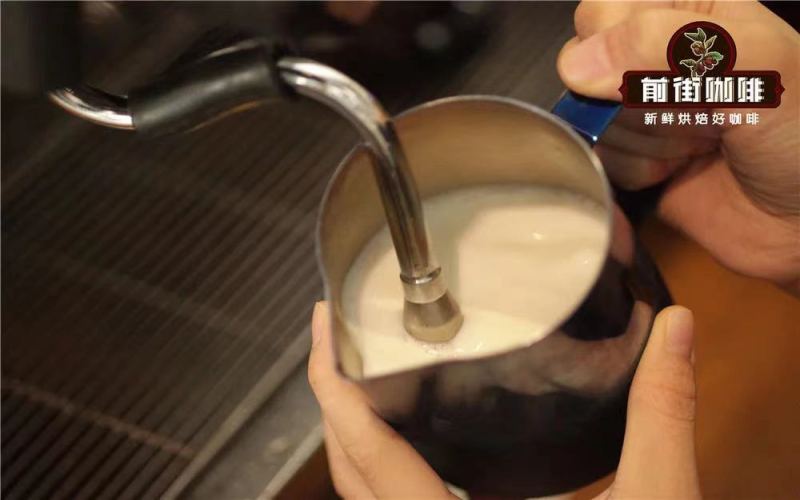
Milk Frothing Tutorial for Beginners | Why Does Milk Foam? How to Froth Milk for a Latte? What Are the Steps and Techniques for Latte Art Pouring and Integration?
At FrontStreet Coffee, steaming milk can be said to be a basic and core skill for every barista. Whether one can steam perfect milk is one of the factors used to judge whether a barista's level is up to standard. For example, the milk foam in a latte is on the thinner side, making it smooth and delicate to drink. The [more…]

Latte Coffee Making Tutorial: Espresso Extraction, Milk Frothing and Latte Art Techniques, and Coffee Bean Selection Tips
Latte coffee may seem simple, but in reality, every step—from bean selection, extraction, to milk frothing and latte art—hides its own intricacies. While the ratio of milk to coffee, the beans used, and parameters vary across cafes, the classic approach typically involves a generous amount of milk blended with espresso. This article uses Front Street Coffee as an example to systematically explain the entire latte-making process: how to choose Italian-style coffee beans based on flavor preferences, adjust grind size, dose and distribute the grounds and tamp, as well as the principles and techniques of steaming milk, and finally, latte art practice steps for beginners. Whether you're preparing for a barista interview or looking to improve your output at home, you'll find practical references here. [more…]

Can't get latte art patterns to come out? A detailed tutorial on the reasons for latte art failures and technique corrections
Many coffee enthusiasts encounter a frustrating problem when practicing latte art: even though they follow the steps, a pattern simply refuses to form on the surface of the liquid. In fact, the essence of latte art is using the color contrast between milk foam and espresso crema to paint, and the key lies in precisely controlling the height of the milk pitcher and the flow rate during the integration stage and the pattern-forming stage. From the perspective of Front Street, this article systematically sorts out the three main reasons why latte art fails to produce a pattern—not shaking the milk evenly before integration, holding the milk pitcher too high when forming the pattern, and pouring with too small a flow rate—and provides corrective methods for each, helping you break through the bottleneck in your basic technique and successfully pour your ideal pattern. [more…]

The Principles of Milk Foaming and Latte Milk Frothing Techniques: A Complete Guide from Integration to Latte Art Patterns
Steaming milk is a fundamental skill that every barista must master, and the quality of the milk foam directly affects the taste of a latte and the result of latte art. Drawing on the practical experience of Front Street Coffee, this article explains in detail the physical principles of milk frothing, answers common problems such as foam that won't incorporate, separation, and surface bubbles, and explains how steam pressure and foam fineness determine incorporation. The article also compares the stability of milk foam at different temperatures, provides two frothing methods—manual and steam—summarizes five common mistakes, and finally includes a step-by-step tutorial on tulip latte art. Whether you are a beginner or a coffee enthusiast looking to refine your skills, you will find practical guidance here. [more…]

The Origin of Caramel Macchiato and Creative Ways to Make It: A Complete Tutorial on Using a Torch to Create a Crispy Caramel Topping
The thin, crisp caramel shell on top of a crème brûlée leaves a lasting impression, and the coffee world actually has a drink that takes caramel as its soul—the caramel macchiato. However, the common approach is merely drizzling caramel syrup over the milk foam, which lacks a crisp texture. This article will walk you through the evolution from macchiato to caramel macchiato, and share in detail a creative method of using a torch to toast white sugar on the spot, forming a golden caramel crisp on the surface of the milk foam. From espresso extraction and milk frothing to sprinkling sugar and torching, every step comes with specific parameters and key operational points. If you prefer sweet coffee and enjoy a rich, layered taste experience, this caramel macchiato—crisp on the outside and tender on the inside—is well worth trying your hand at. [more…]
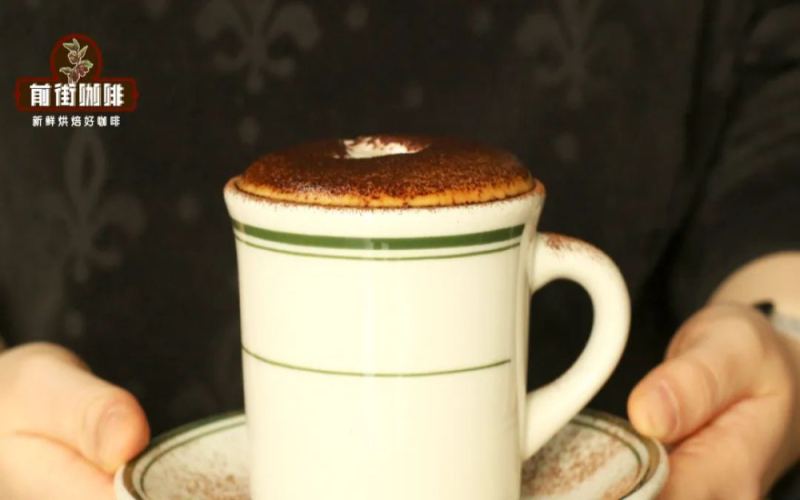
The Viral Social Media Donut Latte Home Replication Guide: A Detailed Breakdown of Recipe Ratios, Frothing Techniques, and Decoration Key Points
The donut latte that went viral on Korean social platforms, with its ring of puffed-up fluffy milk foam and cocoa powder decoration, has become a warm winter drink that gets rediscovered every time the temperature drops. Front Street has now recreated it firsthand and found that the overall barrier to making it isn't high—the key lies in controlling the ingredient ratios and the whipping state. The entire drink consists of two main parts: a hot milk coffee base and a cocoa-flavored milk cap. The base can be a hot latte or cappuccino, while the milk cap is made by mixing whipped heavy cream, syrup, and a small amount of salt. Below, we'll share the complete recipe, step-by-step instructions, and the detailed insights Front Street summarized through multiple attempts, including how the amount of milk affects the flavor, how to judge the timing of whipping the cream, and how to avoid common mishaps like the dome cracking or the coffee overflowing. [more…]